Program on self defense
Karate is a traditional Japanese martial art that originated on the island of Okinawa and has evolved into a popular global sport and self-defense system. It involves a combination of striking techniques, such as punches, kicks, knee strikes, and elbow strikes, as well as blocking and defensive moves.
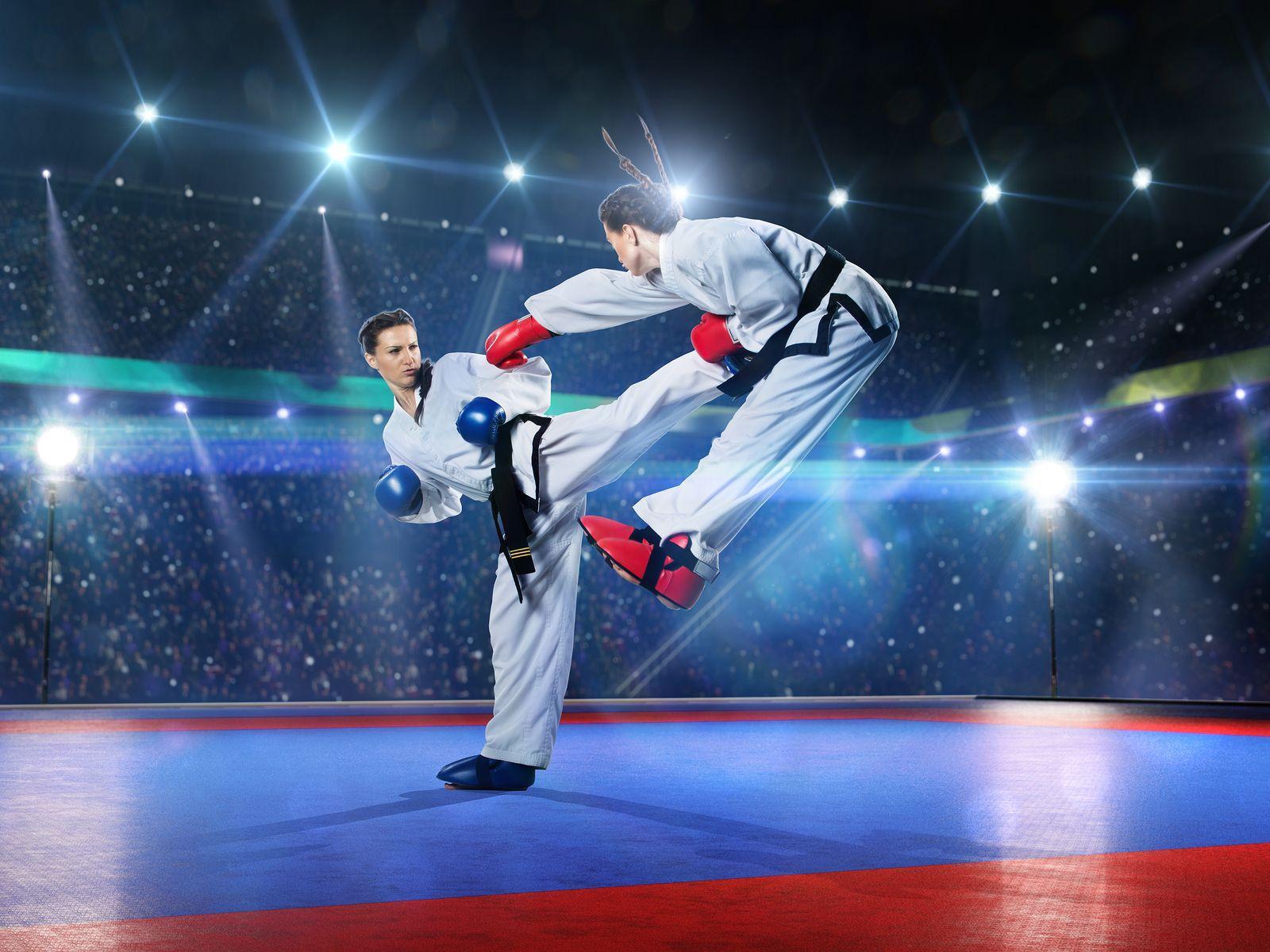
Karate is a martial art that originated in Okinawa, Japan, with influences from Chinese martial arts. It has since evolved into a widely practiced and internationally recognized discipline encompassing physical, mental, and philosophical aspects. Here's a comprehensive overview of karate:
History and Origins:
- Okinawan Roots: Karate's roots trace back to Okinawa, where it developed as a synthesis of indigenous Okinawan fighting styles and Chinese martial arts.
- Influences from China: Okinawan martial artists adapted and integrated elements from Chinese martial arts, forming the basis of what would become karate.
Principles and Philosophy:
- Discipline and Respect: Karate places a strong emphasis on discipline, respect for others, and adherence to a code of ethics.
- Three Pillars: Training in karate typically focuses on three main aspects - kihon (basic techniques), kata (pre-arranged forms), and kumite (sparring).
Techniques:
- Striking Techniques: Karate involves various striking techniques, including punches, kicks, knee strikes, and elbow strikes.
- Blocking and Defensive Moves: Training also includes defensive techniques to block and counter opponent attacks.
Training Methods:
- Kihon: Basic techniques, stances, and movements are practiced to develop strength, balance, and coordination.
- Kata: Pre-arranged forms or patterns that simulate self-defense situations, helping practitioners refine their techniques and movements.
- Kumite: Sparring sessions where practitioners engage in controlled combat, applying techniques learned in kihon and kata.
Styles and Schools:
- Different Styles: There are various styles of karate, each with its unique techniques, principles, and forms. Some well-known styles include Shotokan, Goju-Ryu, Wado-Ryu, and Shito-Ryu.
- Organization and Federations: Karate is organized globally through different federations and organizations that oversee standards, competitions, and promotions.
Competition and Sport:
- Karate in the Olympics: Karate made its debut in the Olympic Games in 2020, further highlighting its global recognition as a sport.
- Point System: In competitive karate, points are awarded for well-executed strikes and techniques, with the goal of outscoring opponents.
Cultural Impact:
- Global Popularity: Karate has become a widely practiced martial art with millions of practitioners worldwide.
- Influence in Media: Karate has had a significant impact on popular culture, with numerous movies, books, and TV shows featuring martial arts themes.
Conclusion:
Karate is more than just a physical discipline; it's a holistic approach to self-improvement, emphasizing mental fortitude, ethical conduct, and a strong sense of community. Its diverse styles, historical significance, and ongoing global popularity make it a dynamic and influential martial art.
From our community.